Why unstaked SOL can still be in a Solana stake account
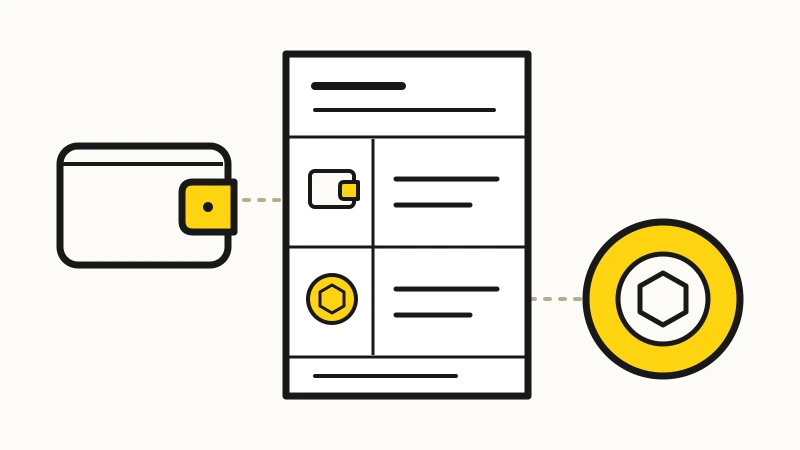
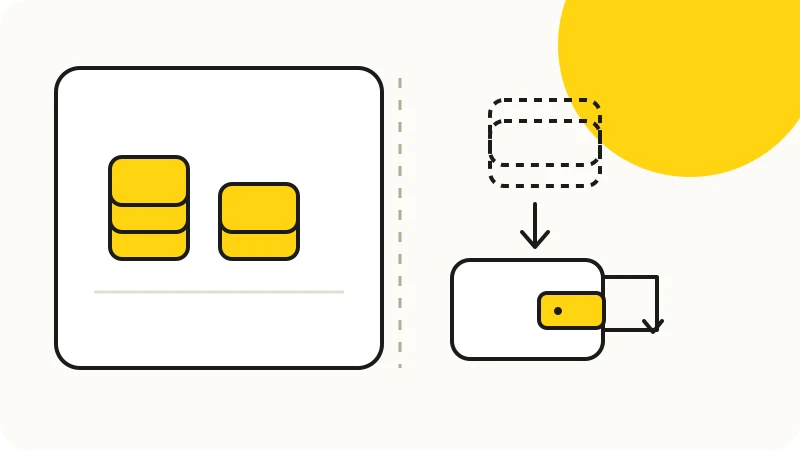
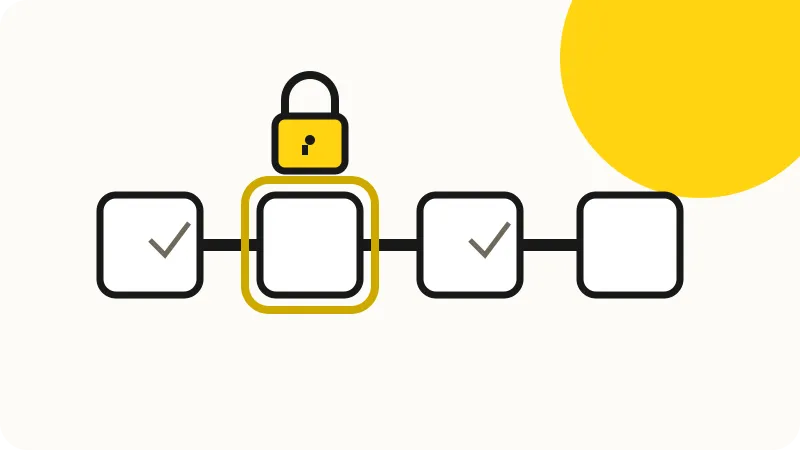
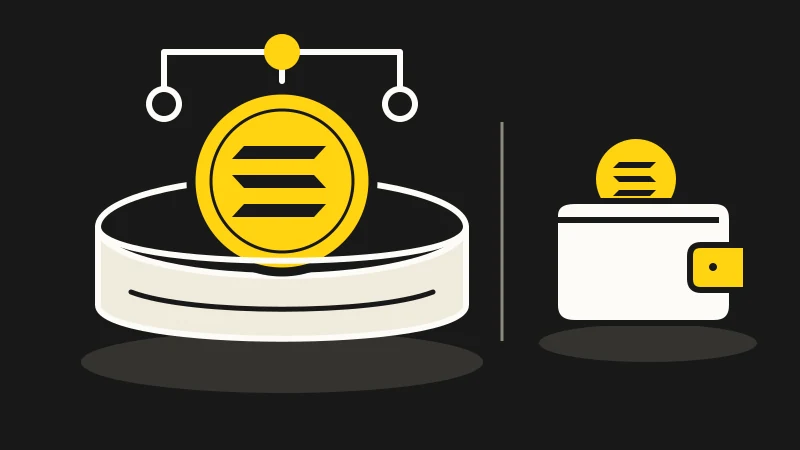
Inactive stake is not a wallet payment. Check where the SOL is held, who can authorize a withdrawal and whether a transfer actually happened.
Read → Owlio
Notes on tracking a crypto portfolio without handing your addresses to anyone.
Inactive stake is not a wallet payment. Check where the SOL is held, who can authorize a withdrawal and whether a transfer actually happened.
Read →A token account's address, its mint and its owner serve different purposes. Use a field map to identify the record you are inspecting on Solana.
Read →A MATIC label can mean an old network setting or a separate Ethereum token. Identify the balance before treating it as an unfinished migration.
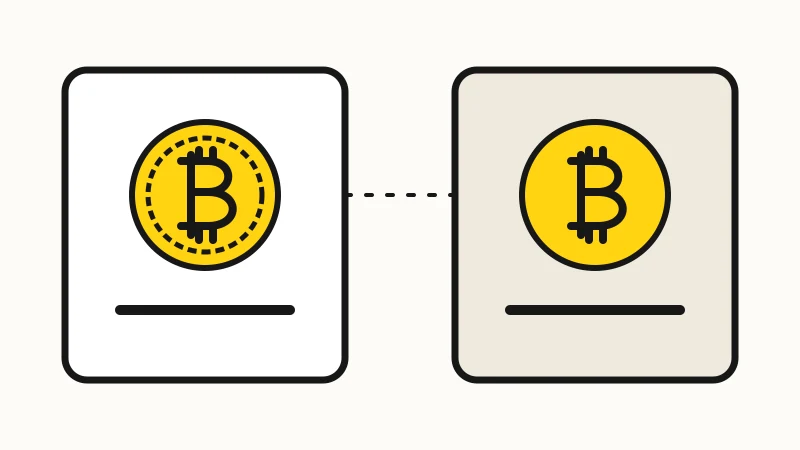
Read →WBTC in an Ethereum account and BTC in a custodian's reserve are different records. Find your holding without counting its backing as another asset.
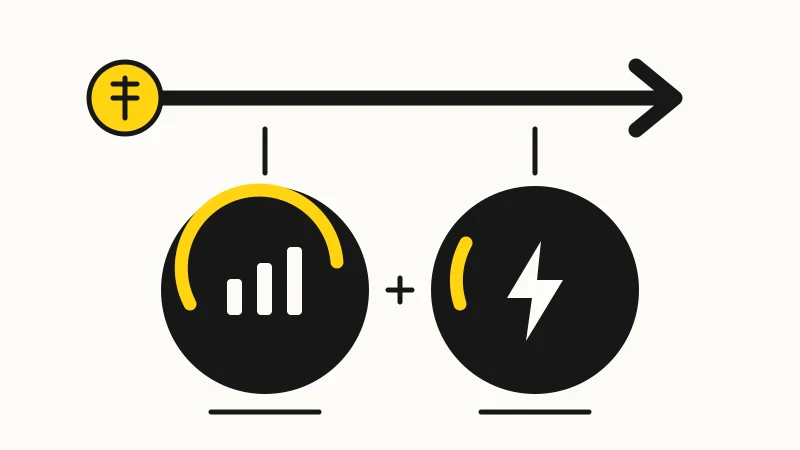
Read →USDT can be present while a transfer lacks resources. Read the sending account's remaining Energy, separate Bandwidth quotas and liquid TRX before confirming.
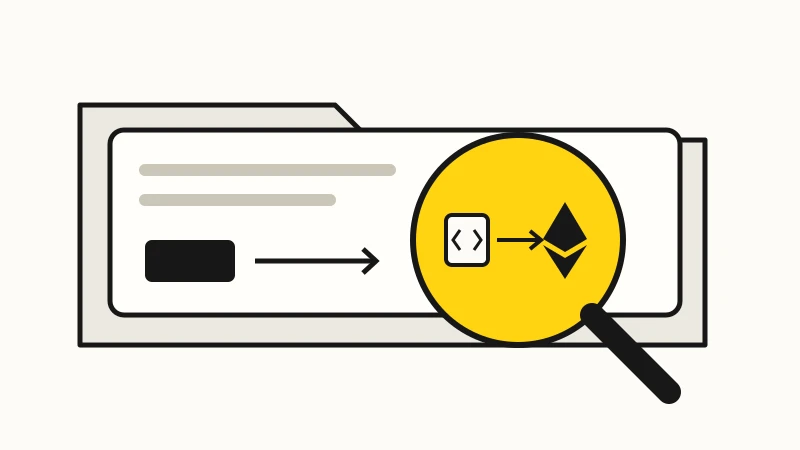
Read →A contract can send ETH during another transaction. Find that movement under the parent hash, then distinguish it from today's native balance.
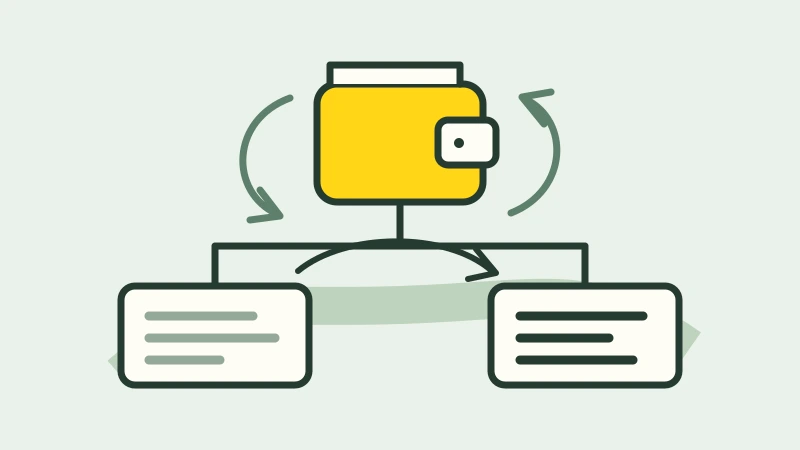
Read →Your wallet can offer a fresh address without replacing your account. Learn what to verify before sharing it and why a tracker may still watch the old address.
Read →A pending payment can leave an old address balance visible. Check confirmation state, spent inputs and change without counting the same BTC twice.
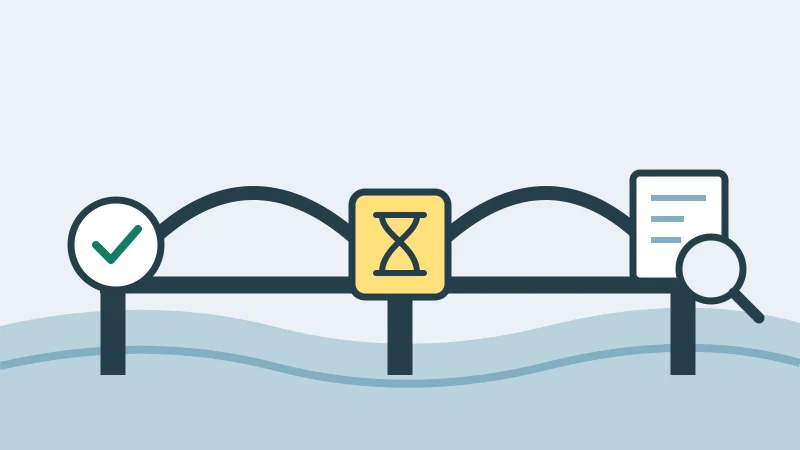
Read →A successful withdrawal transaction on Arbitrum One is one stage of the canonical bridge route. Follow its message through readiness and execution on Ethereum.
Read →The cheapest collection listing, an offer for your item and the amount left after costs are different numbers. Keep their meaning beside your NFT estimate.
Read →A debt-token row records an obligation. It is different from borrowed tokens you can spend and from an aToken representing supplied assets.
Read →A withdrawal NFT records a claim, not ETH already in your wallet. Match the request ID, holder, status and recipient before reconciling the position.
Read →A validator balance is not spendable ETH in the withdrawal wallet. Match the validator, its credential type and the actual withdrawal record before adding totals.
Read →A changing aToken amount can reflect accrued supply interest. Identify the exact market and receipt before comparing it with a wallet token balance.
Read →Your LP token count is not a count of either underlying asset. Use the pair's supply and reserves to describe one position in the right units.
Read →A Success badge and a growing confirmation count answer different questions from whether Ethereum has finalized the containing block.
Read →Success describes the transaction's execution. It does not, by itself, prove that the intended tokens reached the intended account.
Read →A vault's share balance and its underlying-token estimate describe one position in different units. A redemption preview adds another question: what could come out?
Read →An NFT picture or collection count does not identify the holder of an exact token. Choose the read-only check that matches its standard.
Read →A token's supply and an account's balance answer different questions. Choose the right read-only field before comparing the numbers.
Read →A large contract integer can describe a small token amount. Check the units before comparing wallet balances.
Read →A wallet account and a token contract can both start with 0x. Identify which address a tracker needs and keep the asset's contract in a separate record.
Read →APR excludes compounding; APY includes it. Neither annualized number tells you what your position earned over a month. Use the same period and units.
Read →A liquidity position can rise in dollar value while falling behind the tokens you originally deposited. Compare both at the same prices.
Read →A failed action can leave your tokens unchanged while reducing your ETH. Read the transaction record before paying for another attempt.
Read →A positive wallet balance does not show whether an Aave loan can be liquidated. Check the selected market's collateral, debt and current health factor.
Read →A pending wallet label is not a reason to repeat a payment. Identify the transaction and its place in the queue before choosing the next step.
Read →An unchanged wstETH token count does not mean rewards are missing. Compare the token balance with its current stETH equivalent, then check valuation separately.
Read →Transaction history is a record of activity, not a verified address book. Build a recipient check around a trusted source and the full destination.
Read →A liquidity NFT identifies a position. Its picture is not a balance: check the underlying tokens, price range and uncollected fees separately.
Read →A disconnected wallet can still have an active token allowance. Separate connection, balance and spending permission before deciding what to change.
Read →A combined ETH holding is not your available gas balance. Learn what wrapping changes and how to check the two forms without moving funds.
Read →All four tools can track public addresses. The useful distinction is what they recognize: wallet tokens, deposit or staking tokens, or positions inside DeFi protocols.
Read →A single portfolio row can combine native and bridged USDC. Separate the holdings by their network and full token contract address.
Read →Find the right address behind a .eth name, check the record and network, and understand why Owlio keeps tracking the wallet you added when the name changes.
Read →A practical guide to checking unexpected assets and cleaning your portfolio display, with the limits of token hiding and NFT filters explained.
Read →Robinhood has launched its own L2 and trades tokens of US stocks on it around the clock. We look at who runs the network and how, what a token holder actually buys, and why the price sometimes jumps ninefold over a weekend.
Read →Move an Owlio wallet list with a local JSON file, then check the imported addresses. The file does not contain wallet keys, transaction history or prices.
Read →A practical way to watch several public wallet addresses in one Chrome side panel, with the limits and privacy trade-off explained.
Read →A missing token and a missing price are different problems. This checklist helps you find which part of a crypto portfolio total needs checking.
Read →DeBank reads DeFi in depth across dozens of EVM networks, works on the web and on phones, and gives every address a public profile. Owlio shows your wallets in a Chrome side panel, with no account and no server of its own, and adds Bitcoin, Tron and TON.
Read →Zerion is a wallet with trading and deep DeFi coverage; Owlio is a read-only Chrome side panel with no server of its own. Both show a wallet by its address for free, and the choice depends on trading, networks and privacy.
Read →zkSync Lite no longer produces blocks, but the balances left on its addresses have not gone anywhere. Here is how to find them, how to withdraw them to Ethereum, and where it is easy to go wrong.
Read →